
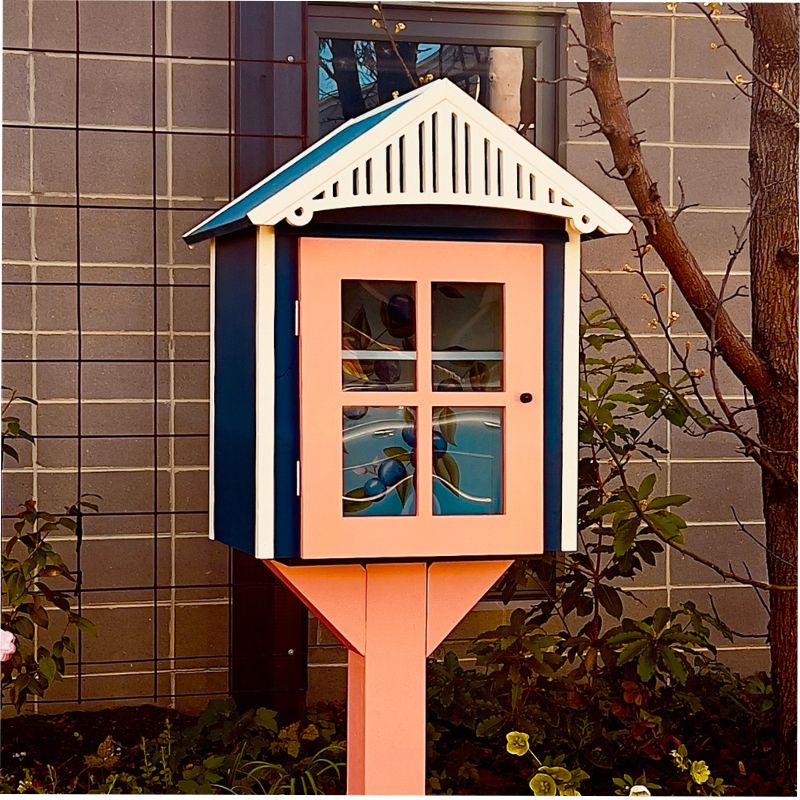
Building a Little Street Library: A Complete Guide
A Little Street Library is more than a weekend project — it’s a small act of generosity. It invites neighbours to pause, browse, and share stories. It becomes a gentle landmark on your street, a place where curiosity lives.
As a woodworker and lifelong reader, building my own Little Street Library felt like the perfect way to bring those two loves together. This guide walks you through the key ideas behind the design, the materials, the creative touches, and the installation — everything you need to bring your own library to life.

Why Build a Little Street Library?
Growing up, reading was a quiet joy — a place to escape, imagine, and learn. As an adult, I wanted to pass that feeling on. A Little Street Library does exactly that. It creates a tiny moment of magic in your neighbourhood, where books move freely and people connect in small, meaningful ways.
Building one isn’t just about timber and screws. It’s about creating a space where stories can be shared.

Designing a Weatherproof, Long‑Lasting Library
A Little Street Library lives outdoors year‑round, so weatherproofing becomes one of the most important parts of the build. My goal was to create something charming, but also practical — a library that could handle Melbourne’s unpredictable weather without losing its warmth or personality.
A Weatherproof Must
This little street library was designed with protection in mind. The roof eave extends generously past the front and back panels, and a small awning sits above the door as an extra layer of defence. The door itself is intentionally wider than the opening, helping to shield the interior from wind driven rain.
The main structure is a simple, easy‑to‑build plywood box, but it’s the roofing, trims, and paint that bring it to life, so don’t be afraid to get creative. This same design can easily become a street pantry, seed library, or kindness rock library. The possibilities are endless.
Little Street Libraries Roof Idea
Designing the roof was one of my favourite parts. I wanted the pediment to feel like a miniature house — something friendly and familiar. I chose a 35 degree roof pitch to maximise interior height, allowing for two shelves and plenty of book space.
To seal the roof edges, I used PVC angle corner moulding. The moulding arrived at a 90 degree angle, so I clamped it down overnight to gently flatten it to the correct pitch. By morning, it was easy to glue and nail into place, creating a clean, watertight finish.
Creative Touches: Make It Yours

I painted a soft lemon mural on the back wall — something cheerful that peeks through the books.
You can also use wallpaper, wrapping paper, or even fabric. Anything that brings joy when someone opens the door.
Colour and trims
The structure may be simple, but the paint and trims transform it.
Soft colours, gentle contrasts, and small details make the library feel welcoming.
Mural or wallpaper?

Materials, Budget & Repurposing
Repurposing for Creativity
If you prefer a low-budget approach, get ready to think outside the box! I’ve seen inventive street libraries crafted from repurposed microwaves, fridges, old fireplaces, cabinets, and more. Embracing alternative materials can be both cost effective and environmentally friendly, adding a unique touch to your build.
My Materials Cost
When planning your Little Street Library, it helps to think ahead about the materials you’ll need and the level of detail you want in your build. Checking local resources like Facebook Marketplace is a great way to find free or low‑cost plywood, and salvaging leftover materials from home projects can reduce expenses even further. I was able to source affordable acrylic glass from a nearby supplier selling offcuts, which kept my costs down without compromising quality.
Planning ahead made it much easier to stay within budget. My total spend was around $200–$300, thanks to a thrifty approach, recycled materials, and the fact that I already had all my tools on hand.
How To Install A LIttle Free Library?
Before You Begin
Now that you’re ready to bring the joy of reading to your neighbourhood with your very own Little Street Library, it’s worth taking a moment to plan your installation. Think about whether you’ll handle the setup yourself or bring in a skilled helper for support.
Before you start digging, check in with your local council to see whether any permits are required. Councils often have guidelines around installation depth, stability, and safety — especially in areas affected by strong winds, flooding, or other weather conditions.
Safety always comes first. Contact your local utility authority to locate any underground services, including telecommunications, electrical, plumbing, or natural gas lines. This simple step helps prevent accidents and ensures your installation is safe and compliant.

Free Guide
If you’re eager to take on the installation yourself, I’ve prepared a detailed guide—my free “How to Install a Little Free Library” instruction manual. This guide will walk you through each step of the process, making installation a little easy.

Ready to Build Your Own Unique Little Free Library!
The construction process of this DIY Little Library can be found on my YouTube channel @_lindwood!
If you’re ready to build your own Little Free Library and bring that love to the community, click below and head over to my shop for detailed plans to get started.

Recent Comments